The Psychology Of Playing Poker Online
14 August 2026 | 219
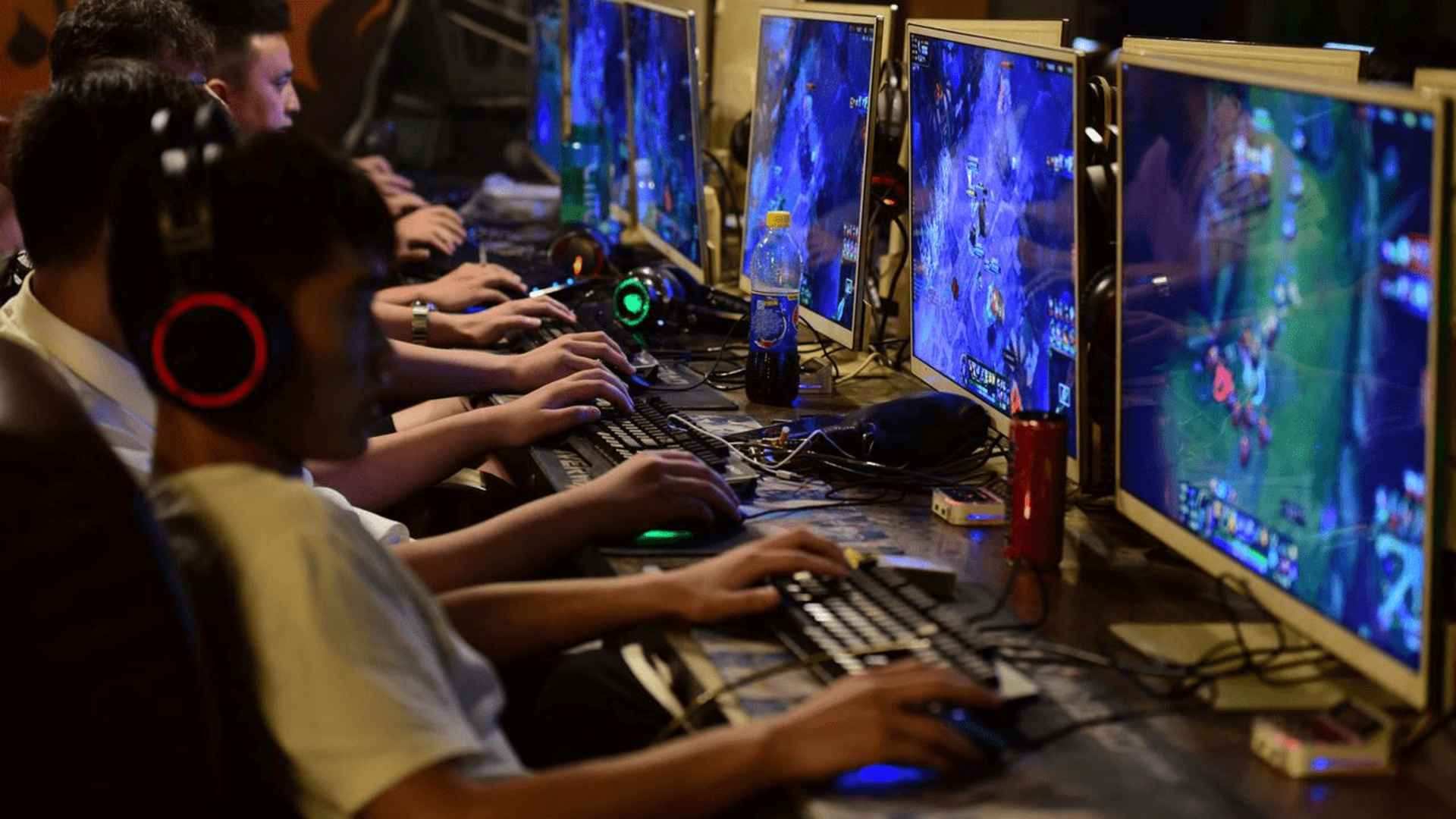
Transitioning from traditional card tables to digital screens changes how players process risk, evaluate opponents, and make tactical decisions. Without physical tells or live facial expressions, players must rely on cognitive discipline, pattern recognition, and digital timing cues to maintain an edge. Understanding the psychological factors of playing poker online helps competitors adapt their strategy for virtual environments.
The Absence of Physical Tells and the Rise of Digital Patterns
In live games, body language and nervous gestures often reveal the strength of a player's hand. In contrast, virtual card rooms remove sensory cues, forcing competitors to focus purely on betting structures and timing dynamics. Successful digital strategists analyze how quickly an opponent acts and how their bet sizes change across different streets.
This shift requires a more systematic approach to reading opponents, as digital behavior becomes the primary source of information. Players who master the interpretation of betting patterns gain a significant cognitive advantage over those seeking visual confirmations. Over time, recognizing these subtle digital habits becomes a core psychological skill.
Managing Cognitive Load in Fast-Paced Virtual Rooms
Online card games operate at a much faster speed than physical games, dealing significantly more hands per hour. This rapid pace increases cognitive load, requiring players to maintain sharp focus for extended periods without succumbing to mental fatigue. Managing attention spans becomes crucial to avoiding impulsive calls or sloppy mistake-driven decisions.
To maintain mental clarity, many players explore strategic concepts across various digital platforms and strategy hubs like boss mahjong to refine their analytical discipline under pressure. Taking structured breaks and staying mentally refreshed prevents emotional decline during grueling sessions. Maintaining high cognitive control ensures that decision quality remains consistent regardless of session length.
Emotional Control and the Speed of Virtual Tilt
Because hands are dealt rapidly online, emotional reactions to bad beats can snowball far faster than in live settings. Experiencing consecutive frustrating losses in a short timeframe often triggers tilt, leading players to chase losses recklessly. Recognizing the early signs of frustration allows disciplined players to pause before making destructive choices.
Developing emotional resilience involves accepting variance as a natural part of long-term probability rather than a personal failure. Successful competitors treat every hand as an isolated event, unaffected by the outcome of previous hands. By detaching emotion from their immediate strategy, players protect their bankroll and maintain strategic control.
The Multi-Tabling Mindset and Attention Allocation
One unique psychological element of virtual poker is the ability to play at multiple tables simultaneously. While multi-tabling maximizes volume, it severely limits the depth of focus a player can dedicate to any single decision. Players must strike a careful balance between maximizing game volume and maintaining analytical depth.
When attention is split across multiple tables, decisions rely more on default pre-studied strategies than real-time opponent analysis. Navigating this environment requires strong foundational knowledge so that basic plays become second nature. Mastering this mindset enables players to scale their output while keeping costly tactical errors to a minimum.